Guides · Building · Java & Bedrock · 1.20–1.21
How to make concrete in Minecraft
Four sand, four gravel, one dye—that crafts eight blocks of concrete powder. Drop the powder in water and it hardens instantly into smooth, blast-resistant concrete. No direct concrete recipe exists; water is the missing ingredient every new builder forgets.
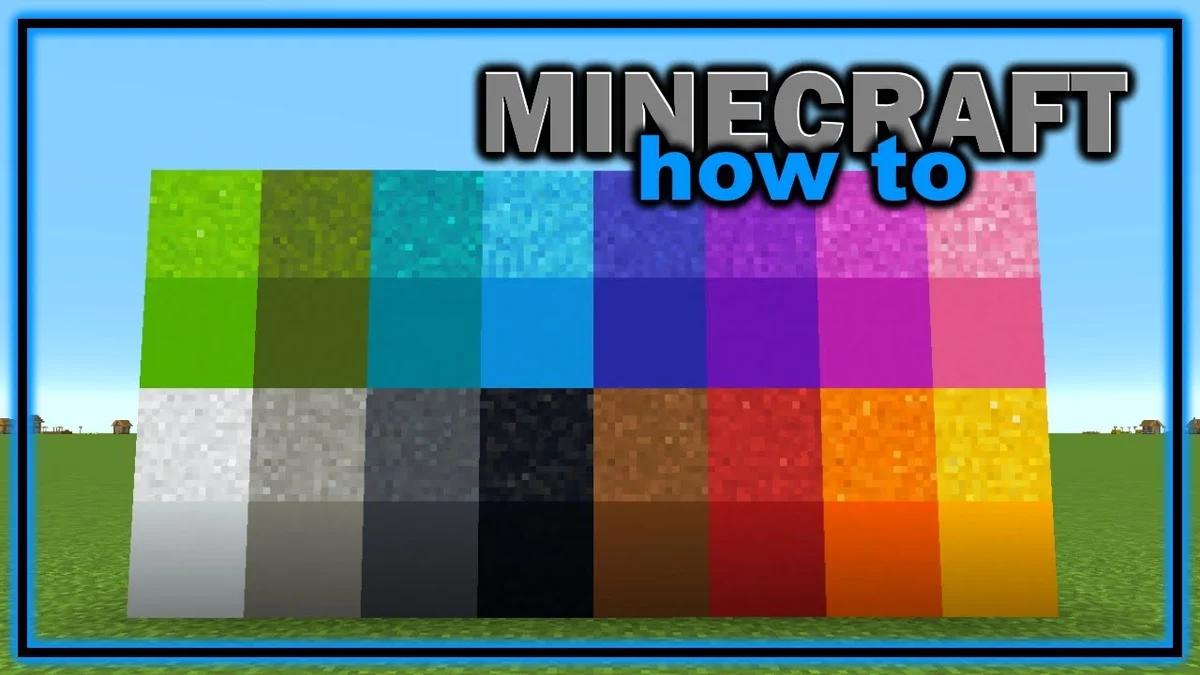
What concrete is (and why builders love it)
Concrete is a solid building block with a smooth, matte finish and sixteen dye colors. Unlike terracotta it does not have a noisy pattern; unlike wool it does not burn. Blast resistance matches stone—good enough for most builds.
You cannot craft concrete directly. Minecraft makes you craft concrete powder first, then harden it with water. That extra step is why new players search “how to make concrete” instead of “concrete recipe”—the game never uses the word “concrete” until the powder touches water.
On multiplayer servers, white and light gray concrete dominate modern spawn builds. Competitive builders stockpile dye farms alongside sand/gravel pits because a single megabase can eat thousands of blocks.

Concrete powder recipe
The recipe is shapeless: 4 sand + 4 gravel + 1 dye = 8 concrete powder. Slot order in the crafting grid does not matter. Each dye color produces matching powder—you cannot mix dyes in one craft.
Regular sand only. Red sand looks similar but does not work in this recipe. Gravel is gravel—mine it with a shovel for speed.
How much to gather for a project
One craft consumes 4 sand and 4 gravel and outputs 8 powder. Each powder block becomes one concrete block after water. For 64 concrete blocks you need 8 crafts: 32 sand, 32 gravel, and 8 dyes of the same color.
Large projects (spawn roads, arena floors) justify a dedicated sand/gravel pit and a water trench rather than crafting at a single crafting table in your inventory.
Shapeless recipe — any slot order (8 powder per craft)
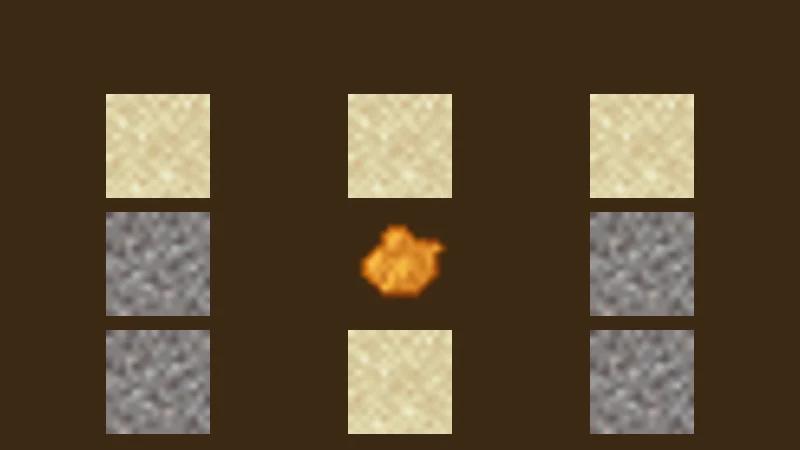
Use regular sand, not red sand. One dye color per craft.
Turning powder into solid concrete
Place concrete powder so it touches water—a source block or flowing water both work. The powder hardens instantly into concrete of the same color. You hear the solid “thunk” placement sound when it works.
Three reliable methods: (1) place powder in a water-filled trench, (2) place powder beside a water block so a face touches water, (3) drop powder from above so it falls into water. Method 1 is fastest for bulk conversion.
Rain does not harden powder. Cauldrons do not count. Powder sitting outdoors in a thunderstorm stays powder forever until you add real water.
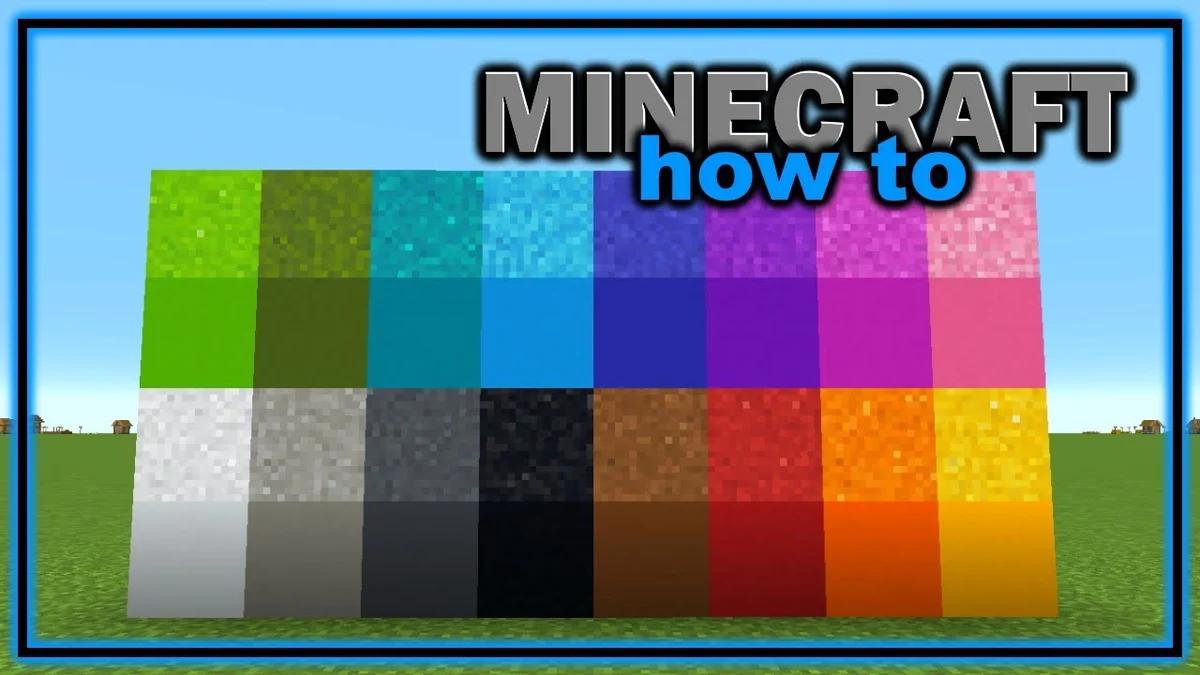
All 16 concrete colors
Every dye in the game maps to one concrete color. The powder color always matches the final block. Plan your dye farm before a big build—crossbreeding flowers or trading with villagers saves hours of wandering biomes.
White concrete from bone meal is the workhorse for modern builds. Black from ink sacs or wither roses accents window frames. Mix colors for pixel art—each block is a flat, predictable shade.
| Concrete color | Dye needed | Common sources |
|---|---|---|
| White | White dye | Bone meal, lily of the valley |
| Orange | Orange dye | Orange tulip, red + yellow dye |
| Magenta | Magenta dye | Allium, lilac, pink + purple |
| Blue | Blue dye | Cornflower, lapis lazuli |
| Green | Green dye | Cactus smelted |
| Cyan | Cyan dye | Green + blue dye |
| Brown | Brown dye | Cocoa beans |
| Gray | Gray dye | Black + white dye |
| Light gray | Light gray dye | Azure bluet, oxeye daisy, white tulip, gray + white |
| Red | Red dye | Poppy, rose bush, red tulip, beetroot |
| Lime | Lime dye | Green + white dye |
| Pink | Pink dye | Peony, pink tulip, red + white |
| Purple | Purple dye | Red + blue dye |
| Yellow | Yellow dye | Dandelion, sunflower |
| Light blue | Light blue dye | Blue orchid, blue + white |
| Black | Black dye | Ink sac, wither rose |
Concrete farms and bulk production
The zero-redstone method: dig a 1×N trench one block deep, pour water at one end so it flows the length, stand at the side, and place or drop powder into the water. Mine hardened blocks with a pickaxe, repeat.
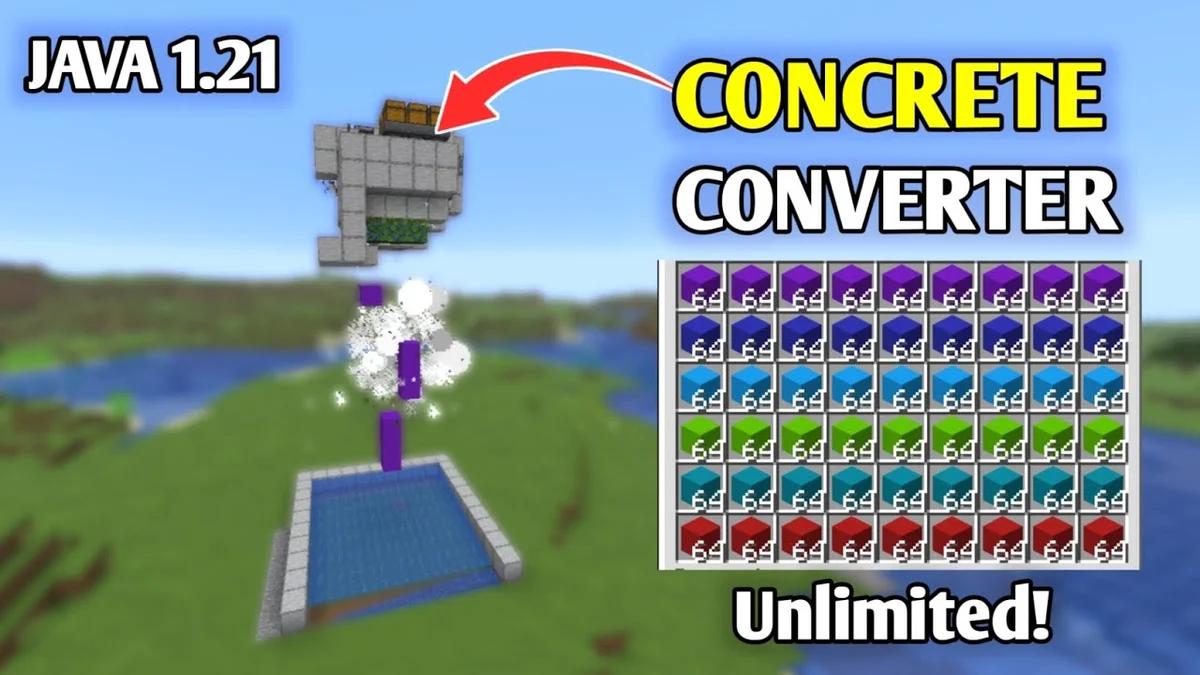
For faster work, build a small dropper facing down over waterlogged stairs (see video tutorials). Fill the dropper with powder, pulse it, and mine the concrete below. Semi-automatic setups pay off above a few stacks.
Fully automatic farms use observers, pistons, and collection hoppers—they are worth it on technical SMPs but overkill for a survival house exterior.
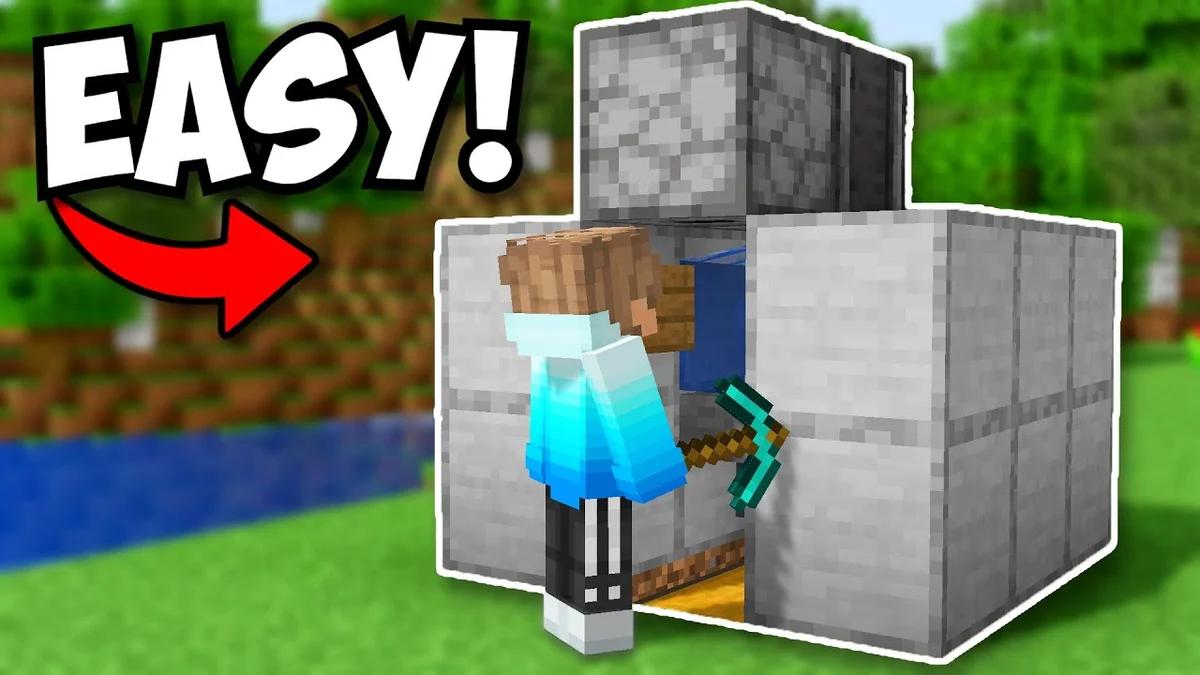
Video tutorials (click to load)
Three angles: the basics of powder and water, a compact semi-auto maker for survival, and a full converter farm when you need thousands of blocks for roads or megabases.
Common mistakes (and fixes)
Most concrete frustration comes from one of these five—check here before rebuilding your farm.
Expecting rain to harden powder
Only water source blocks and flowing water work. Rain and splash water bottles do nothing.
Using red sand in the recipe
Concrete powder requires regular sand. Red sand will not craft.
Breaking concrete without a pickaxe
You get nothing. Always use a pickaxe—even stone works.
Letting powder sit over air on a cliff
Powder is gravity-affected like sand. It falls and can land in lava or off the world edge.
Crafting concrete directly
There is no direct concrete recipe. You must craft powder first, then add water.
Four builds that actually look good
Concrete shows up on polished spawn builds and creative plots for a reason—flat color, no grain, no fire risk.
Modern white walls
White concrete is the default choice for clean SMP bases. Pair with dark prismarine or black concrete trim for window frames.
Server spawn roads
Gray concrete paths with yellow concrete center dashes read instantly as roads—no texture pack needed.
PvP arena floors
Concrete is blast-resistant and comes in high-contrast colors for team zones. Faster to place than wool once your farm is running.
Pixel art floors
Sixteen solid colors with no grain pattern make concrete ideal for map art and floor mosaics on creative plots.
Java vs Bedrock notes
Recipe and hardening behavior are the same on both editions in current versions. Powder touches water, you get concrete.
Java-only nuance: powder placed next to waterlogged blocks (like waterlogged stairs) hardens when touching the waterlogged face. Bedrock players usually use simple trenches—same result, less block-state fiddling.
Pickaxe required to drop the block on both editions. Concrete powder itself can be mined with a shovel if you placed it by mistake before adding water.
On multiplayer servers
Most survival and creative servers allow concrete freely. Some economy servers sell dyed concrete in shops—cheaper to craft your own if the server has public sand pits.
If you run a server, showcase spawn builds with colored concrete paths so visitors see polish before they vote. Browse creative-heavy listings on our gamemode hubs for inspiration.
Pair concrete paths with display builds—see our armor stand guide for spawn mannequins. Browse creative servers for inspiration—or add your own listing.
Quick walkthrough
- 1
Gather sand, gravel, and dye
Mine sand (shovel) and gravel (shovel) from beaches, rivers, or gravelly mountains. Craft or find the dye for your color—white from bone meal is the most common for modern builds.
- 2
Craft concrete powder
Open a crafting table. Combine 4 sand, 4 gravel, and 1 dye in any arrangement. One craft yields 8 concrete powder blocks of that dye color.
- 3
Harden with water
Place powder so it touches a water source block or flowing water. It converts instantly to solid concrete. Dig a one-block trench, fill with water, and shovel powder in for bulk work.
- 4
Mine with a pickaxe
Break hardened concrete with any pickaxe. Without a pickaxe the block drops nothing. Silk Touch is not required—concrete always drops itself when mined correctly.